
Research
Reference articles for laboratory buyers: how certificates of analysis are read, what the tests on them measure, and how lyophilized material is stored.
-
Updated November 2026
What a Certificate of Analysis (COA) Proves for a Research Peptide (and What It Doesn't)
How to read a peptide COA: what HPLC purity, mass spec identity and endotoxin results prove, what they miss, and the red flags to check on every peptide lot.
Read the article -
Updated November 10, 2026
HPLC Purity vs Mass Spec Identity: What '99% Pure' Really Means on a Research Peptide
HPLC peptide purity measures UV peak area, not weight. Learn how mass spec confirms identity, what net peptide content means, and how to read a peptide COA.
Read the article -
Updated November 2026
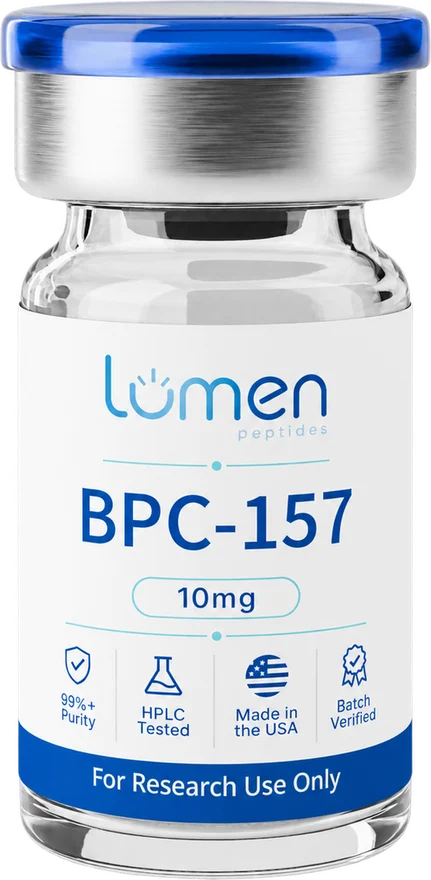
BPC-157 Research Compound: Identity, Purity and COA Verification Guide
BPC-157 reference data from PubChem: sequence GEPPPGKPADDAGLV, C62H98N16O22, 1419.5 g/mol, plus what a BPC-157 COA should show and how to check MS mass.
Read the article -
Updated November 2026
How to Store Lyophilized Research Peptides: Temperature, Light and Moisture Guidelines for the Lab
How to store lyophilized research peptides in the lab: 2 to 8 °C, −20 °C and −80 °C tiers, light, moisture, freeze-thaw and shipping. Research use only.
Read the article
Research use only. All Lumen Peptides products are sold for in-vitro laboratory research. They are not for human or veterinary use.